Introduction
In ophthalmic surgery, every millimeter matters. Instruments must feel balanced in the hand, respond exactly as intended, and remain reliable case after case. That’s the standard behind Compaigr International—a manufacturer dedicated to creating premium-quality eye surgical instruments that combine precision, durability, and modern design.
This in-depth guide introduces who we are, what we make, and how we support surgeons and medical institutions. If you’re exploring new suppliers, evaluating quality standards, or simply want a clear picture of what sets us apart, you’re in the right place.
- Explore our company: Compaigr International
- Browse instruments: Ophthalmic Surgical Instruments
- Request a quote or details: Contact Us
Our Story and Purpose
At Compaigr International, our mission is simple: build instruments that make delicate eye procedures safer, smoother, and more predictable. We focus on the details that matter to surgeons—consistent sharpness, secure grip, reliable actuation, ergonomic balance, and materials that hold up to repeated sterilization.
From the beginning, we set out to blend craftsmanship with technology. Our teams bring together experienced instrument makers and modern CNC machining, laser finishing, and rigorous finishing processes. The result is a product line that reflects what we value most: precision, durability, and innovation.
What Sets Compaigr International Apart
1) Precision at Every Step
- Tight manufacturing tolerances backed by multiple in-process checks
- Sharpening and finishing performed by trained specialists
- Edges and tips inspected under magnification for consistency
2) Durability You Can Rely On
- Medical-grade steels and alloys selected for hardness and corrosion resistance
- Robust joints (for holders and forceps) designed to minimize play over time
- Repeated autoclave-cycle durability in mind
3) Ergonomic, Surgeon-Centered Design
- Balanced weight and grip textures for steady control
- Smooth spring tensions on micro-instruments to reduce hand fatigue
- Handles and profiles refined through feedback from the operating room
4) End-to-End Quality Thinking
- Documented production steps from raw materials to final packaging
- Careful surface finishing to minimize tissue trauma and residue retention
- Final QC on every piece—not just batches
If you’d like hands-on samples or technical drawings, reach out through our contact page.
Our Product Focus: Ophthalmic Surgical Instruments
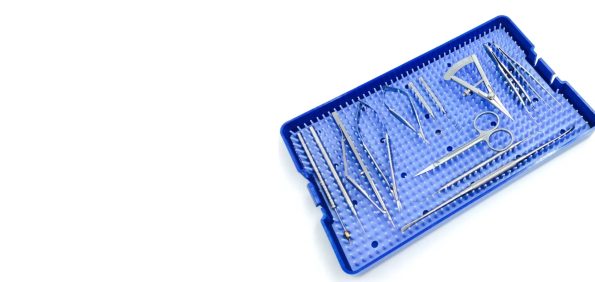
We specialize in tools for microsurgical and ophthalmic procedures. Explore the growing range here: Ophthalmic Surgical Instruments.
Typical categories include (varies by current catalog):
- Forceps – tying, micro, capsulorhexis, and tissue varieties; finely aligned tips with textured or smooth jaws.
- Scissors – Vannas, Westcott, and micro-scissors designed for clean, controlled cuts.
- Needle Holders – Castroviejo and other micro holders with secure clamping, smooth action, and dependable grip.
- Speculums & Retractors – stable exposure with smooth contours and patient-friendly profiles.
- Cannulas – consistent lumen sizing and secure connectors.
- Clamps & Markers – calibrated markings and firm, predictable tension.
Don’t see a model you need? We support customization and OEM/ODM variations—contact us with your specifications via Contact Us.
Materials & Finishing: Built for the Operating Room
Medical-Grade Alloys
We select stainless steels and medical-grade alloys proven for ophthalmic use, balancing hardness (edge retention), corrosion resistance, and manufacturability. Material batches are verified from the outset.
Surface Finishing
- Satin or matte finishes reduce glare under microscope lighting.
- Polished functional surfaces (where appropriate) promote smooth tissue interaction.
- Laser marking for durable, clean identification.
Joints, Springs, and Tips
- Micro-joints and box locks are precision fit to reduce wobble.
- Springs are tempered for consistent force across opening–closing cycles.
- Cutting and grasping tips are profiled and checked under magnification to ensure uniformity.
Manufacturing Workflow: From Drawing to Delivery
- Design & Engineering – CAD drawings and technical specifications capture dimensional targets and tolerances.
- Machining & Forming – CNC and manual processes shape components before heat treatment (when applicable).
- Heat Treatment – Controlled hardening for edge retention without brittleness.
- Grinding & Sharpening – Edges are ground to the intended angle; tips are brought to final geometry.
- Assembly & Tuning – Springs, joints, and handles are fitted; action is tuned by hand.
- Finishing – Satin/polish, bead blasting (as specified), cleaning, and laser marking.
- Inspection – Multi-stage inspection under magnification, tactile feel tests, and dimensional checks.
- Packaging – Clean, protective packaging suitable for storage and shipping.
Our philosophy: do it once, do it right, and document the process.
How We Think About Quality
Quality isn’t a department—it’s a culture. We maintain checklists for every stage, and each instrument passes through a documented inspection routine. We look for the things that often get missed: micro-burrs, tip misalignment, inconsistent spring force, and glare-prone surfaces. The result is consistent performance you can feel.
If your facility uses incoming inspection, we can align with your testing protocols—talk to our team via Contact Us.
Ergonomics and Surgeon Feedback
Great instruments disappear in the surgeon’s hand—they become an extension of intent. We routinely gather feedback on:
- Handle contour and texture for secure grip with gloved hands
- Spring resistance to reduce fatigue during long cases
- Balance point to keep motion smooth under the microscope
- Tip access and profile to fit within small, delicate spaces
When we adjust a design, we iterate fast and validate with users before full production.
Sterilization & Care Guidance
To extend the life and performance of your instruments:
- Rinse immediately after use to remove residues.
- Use pH-neutral detergents recommended for surgical steel.
- Dry thoroughly before sterilization; moisture accelerates corrosion.
- Inspect moving parts; add a drop of instrument-safe lubricant to joints if required.
- Store with protection—avoid tip-to-tip contact.
Need a printable care guide for your staff? Request one through Contact Us.
Customization, OEM & Private Label
Hospitals, teaching centers, and distributors often need tailored solutions. We can:
- Adjust tip geometry, length, or spring force
- Modify handles, textures, or finishes
- Apply private label or branding via durable laser marking
- Package to your specifications
Send a drawing or sample alongside your request here: Contact Us.
Supply, Lead Times & Ordering
We aim to balance availability with careful production. Popular models are stocked; specialized instruments are built to order.
- Samples: available for evaluation on request
- Quotes: item list + required quantities → fast response
- Shipping: global options with protective packaging
- After-sales: responsive support for adjustments or feedback
Start an order or request a quote from our team: Contact Us.
And browse the catalog any time: Ophthalmic Surgical Instruments.
Why Clinics and Distributors Choose Us
- Consistent, surgeon-trusted performance
- Transparent communication from quote to delivery
- Flexible customization for specialized techniques
- Fair, competitive pricing without compromising the build
Visit our home page for an overview and updates: Compaigr International.
Selecting the Right Ophthalmic Instrument: A Quick Buyer’s Guide
1) Match the Task
Choose an instrument designed exactly for the step—grasping vs. tying forceps, capsulorhexis vs. Vannas scissors, micro needle holders vs. general holders.
2) Check the Tip Detail
Look for profile, serration, and tip-to-tip alignment under magnification where possible.
3) Feel the Action
For springs and articulated tools, the opening force should feel smooth and predictable without harsh snap-back.
4) Validate Materials & Finish
Prefer medical-grade alloys with a non-glare satin finish for the microscope.
5) Evaluate Service
Reliable post-sale support, clear communication, and repair options matter over the long term.
If you need help matching models to procedures, our team is happy to assist—start here: Contact Us.
Sustainability & Responsible Production
We continuously refine processes to reduce waste and improve energy efficiency. Durable instruments are inherently sustainable—long life, fewer replacements, and fewer resources consumed over time. Packaging choices favor protection with mindful materials where feasible.
Frequently Asked Questions (FAQ)
Q: Do you make only ophthalmic instruments?
We specialize in ophthalmic surgical instruments and continue to expand within eye care. For adjacent specialties, contact us with your requirements.
Q: Can you produce to my drawings?
Yes. We support custom builds when provided with drawings/samples and required tolerances. Start the conversation via Contact Us.
Q: What about minimum order quantities?
MOQs vary by instrument and customization level. Provide your list for a specific quote.
Q: Do you provide samples for evaluation?
We can arrange samples for qualified inquiries. Reach out with your model list and shipping details.
Q: How do I place a repeat order?
Reference your prior PO or item codes from our Ophthalmic Surgical Instruments collection and we’ll process it promptly.
Call to Action
Whether you’re equipping a new theater, refreshing an ophthalmology department, or seeking a dependable manufacturing partner, Compaigr International is ready to help.
- Company overview: Compaigr International
- Products: Ophthalmic Surgical Instruments
- Quotes & inquiries: Contact Us